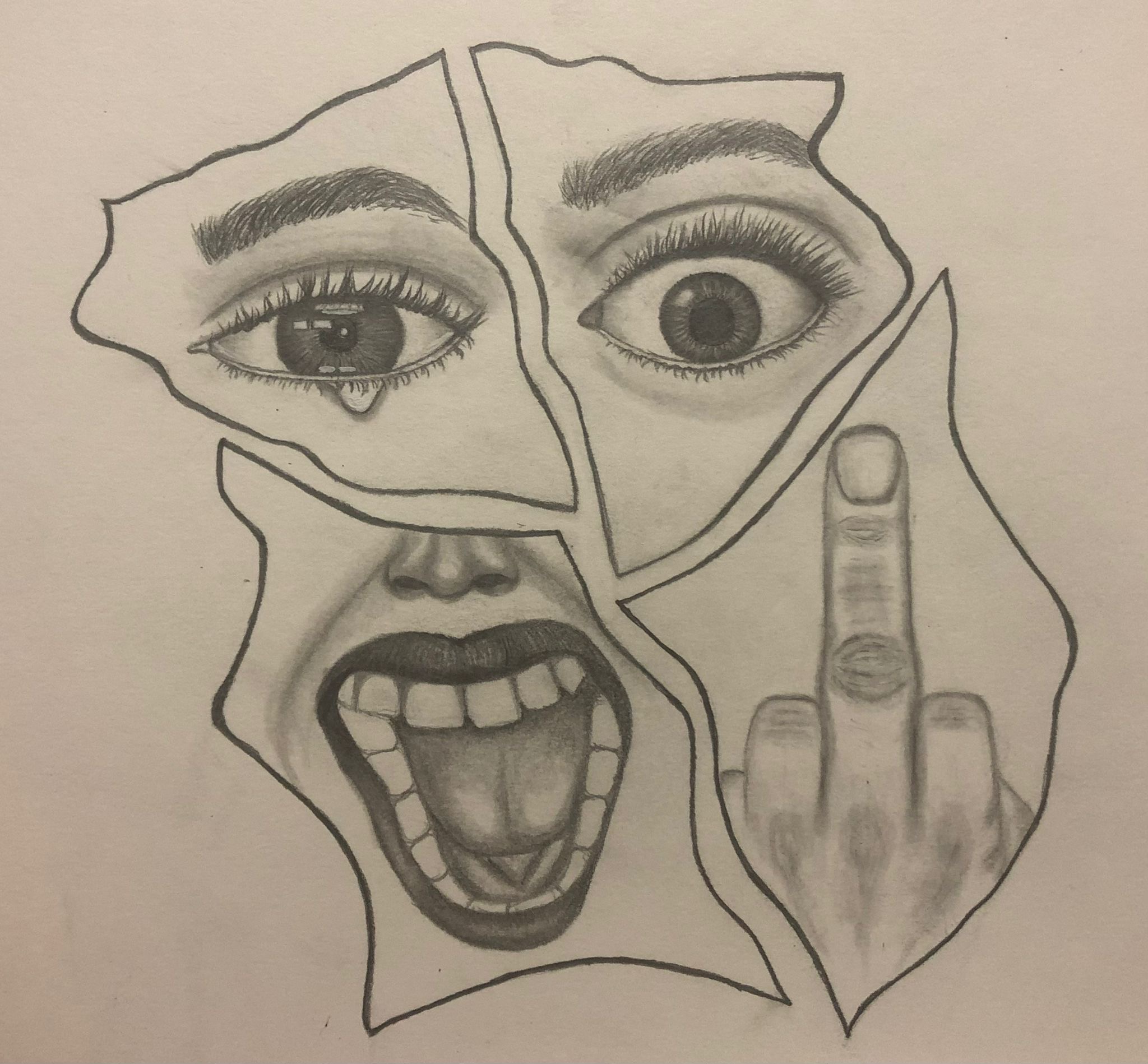
Rejection Sensitivity Dysphoria (RSD) is a term used to describe an intense and painful emotional response to perceived or actual rejection, criticism, or failure. Dysphoria comes from the Greek word meaning ‘excessive pain’, ‘anguish’ or ‘hard to bear’. Whilst not a formal clinical diagnosis, it is widely identified by neurodivergent individuals as part of their daily experience.
Increasing awareness of RSD can help the person affected be more aware of their emotional responses, but also help others around them to communicate with greater understanding, reducing distress and supporting wellbeing.
What Does Rejection Sensitivity Dysphoria Look Like?
For people who experience RSD, it can have a profound impact on emotional wellbeing and day-to-day life. It can increase masking behaviours, contribute to social withdrawal or cause avoidance of activities that might result in ‘getting it wrong’.
RSD is experienced differently by everyone but some examples of what it may look like include:
- Reacting very strongly to criticism, either internally or visibly, even if to others it may appear like a minor correction
- Assuming others are upset with them or don’t like them, without clear evidence
- Struggling to move on after perceived rejection, often ruminating or replaying the incident
- Experiencing intense emotional responses such as shame, anger, or sadness, but not necessarily outwardly expressed
- Trying to people please and struggling to say no
- Putting in extra effort or checking work repeatedly to avoid making mistakes
- Difficulty accepting or believing positive comments or praise
People with RSD may have been described as sensitive or dramatic, but the distress and emotional dysregulation is real.
The Impact of RSD
RSD can shape how you see yourself and the world around you.
Self-esteem and identity
You may internalise negative beliefs about yourself, such as “I’m not good enough” or “People don’t like me.”
Relationships
Friendships and peer relationships may feel unpredictable or unsafe. A small misunderstanding can feel huge and it can lead to difficulties repairing minor disagreements.
Education and participation
Fear of failure or criticism may lead to avoidance—such as not attempting work, refusing to participate in class, or disengaging from activities you previously enjoyed or friendship you previously valued.
Emotional wellbeing
The energy it takes to avoid and navigate these incidents of RSD can be exhausting. It can significantly impact wellbeing and lead to low mood or anxiety.
Why Awareness Matters
One of the most supportive things people around those who suffer from RSD can do is offer empathy. When RSD is misunderstood, responses like “you’re overreacting” or “just ignore it” can unintentionally increase distress.
Instead, being curious about what may be causing strong emotional responses and spotting patterns can help responses feel safer and more regulating.
How You Can Support Someone with RSD
- Validate the feeling, even if your interpretation differs
- Support emotional regulation
- Create predictable, safe environments
- Be mindful with feedback
- Apologise when you get it wrong
Someone experiencing RSD often needs help to calm their nervous system before they can reflect on what happened. This might include giving space, doing something calming and enjoyable together to co-regulate, or using grounding strategies.
The Role of Counselling
While awareness and supportive relationships are key, counselling can also provide a helpful space for people experiencing RSD.
A counsellor can:
- Help you understand your emotional responses and identify when your response might be related to RSD
- Support the development of self-compassion and a more positive self-view
- Teach tools for grounding and emotional regulation
- Provide a consistent, non-judgemental relationship in which you feel safe to share things that have felt uncomfortable or tricky
Counselling is not about ‘fixing’ RSD, but about helping you feel safer with your emotions and more confident in navigating challenging situations.
When you feel listened to and your struggles are framed in the context of your neurodivergent identity, it can help you understand yourself better. This makes it more likely you will develop the resilience, self-awareness, and confidence you need to thrive.